In recent years, Nigeria’s digital ecosystem has experienced massive growth. Businesses, government institutions, and startups are increasingly going online — hosting websites, e-commerce stores, and cloud applications that serve millions of users daily. However, this rapid digitization has also drawn the attention of cybercriminals. Among the most dangerous and disruptive threats facing Nigerian businesses today is the Distributed Denial of Service (DDoS) attack.
DDoS attacks are not new, but their frequency, sophistication, and impact are growing at an alarming rate across Africa. In Nigeria alone, several financial institutions, e-commerce platforms, and even government websites have been victims of these large-scale cyber assaults — resulting in downtime, financial losses, and reputational damage.
This comprehensive guide explores the threat of DDoS attacks in Nigeria, how they work, their impact on businesses, and — most importantly — effective prevention and mitigation strategies to help Nigerian organizations stay protected. Whether you run a startup, an online store, or manage a hosting platform, this article will equip you with practical knowledge to strengthen your digital defenses.
What Is a DDoS Attack?
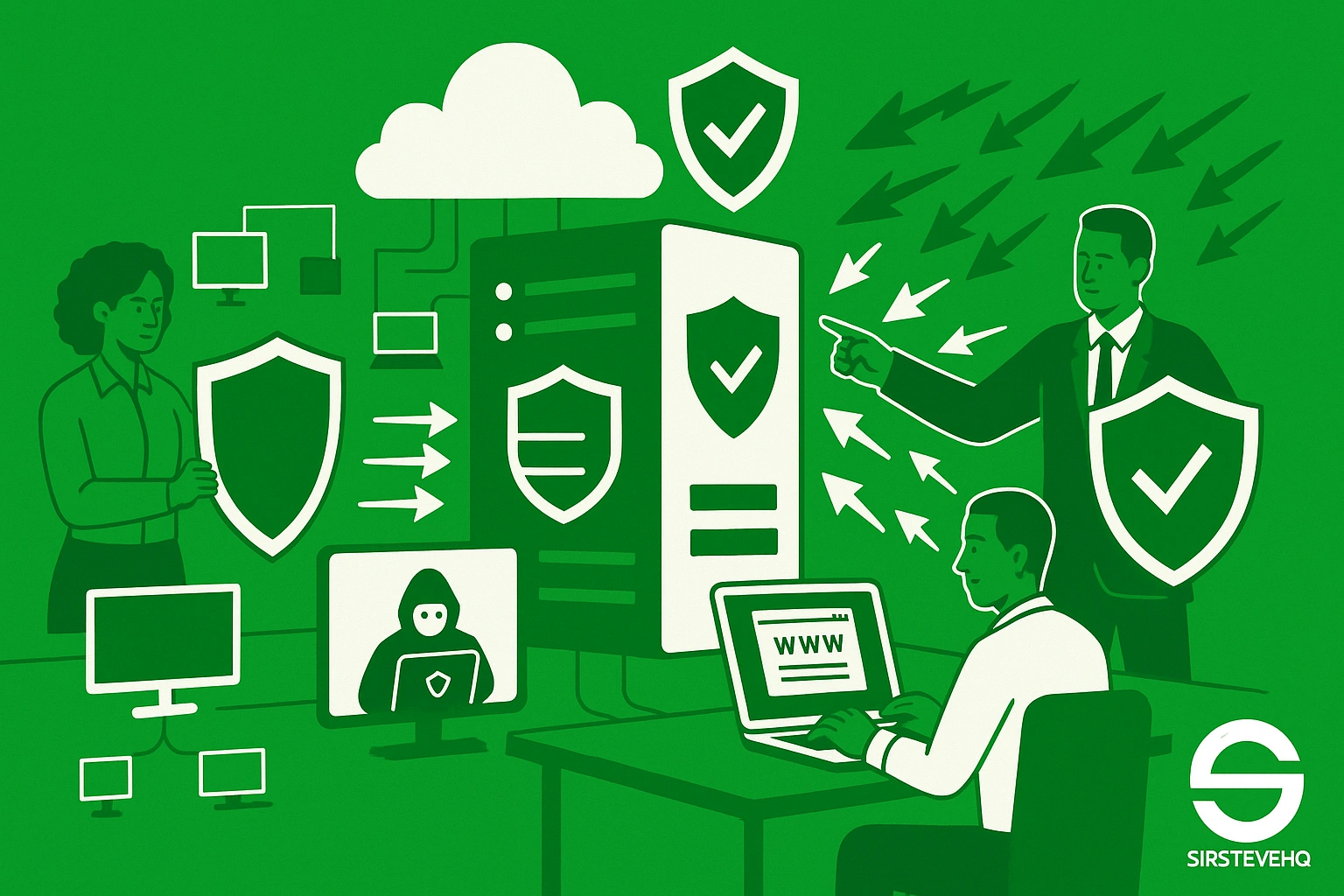
A Distributed Denial of Service (DDoS) attack occurs when multiple compromised devices (often forming a botnet) flood a targeted server or network with massive amounts of traffic — overwhelming its resources and making the website or service unavailable to legitimate users.
In simpler terms, think of it like a crowd of thousands blocking the entrance to a store so real customers can’t get in.
DDoS attacks don’t steal data directly; instead, they cripple websites, disrupt online operations, and damage brand trust.
Types of DDoS Attacks include:
- Volumetric Attacks: Flood a server’s bandwidth with excessive traffic (e.g., UDP floods, ICMP floods).
- Protocol Attacks: Target vulnerabilities in network layers (e.g., SYN floods, Ping of Death).
- Application Layer Attacks: Exploit website applications (e.g., HTTP floods, targeting WordPress or APIs).
Modern DDoS attacks often combine multiple vectors, making them harder to detect and mitigate without advanced protection systems.
The Rising Threat of DDoS Attacks in Nigeria
Nigeria’s tech ecosystem has seen tremendous progress — but this growth has also made it a prime target for cybercriminals. Several factors contribute to the increased DDoS threat:
- Growing Internet Penetration: With over 150 million internet users, Nigeria’s expanding digital footprint makes it an attractive target.
- Increased Cloud Adoption: Businesses shifting to cloud-based infrastructure are more exposed to internet-based threats.
- Lack of Awareness: Many SMEs and startups operate without adequate cybersecurity knowledge or protective systems.
- Political and Economic Motives: Hacktivists or rival entities may launch DDoS attacks to make statements or disrupt competition.
- Cheap Access to Botnets: DDoS attacks are now easily purchasable online for as little as $10 per hour, making them accessible even to low-skilled attackers.
According to industry reports, the number of DDoS incidents targeting African businesses has surged over the last three years, with Nigeria among the top five most affected countries on the continent.
Impact of DDoS Attacks on Nigerian Businesses
The cost of a successful DDoS attack can be devastating. For Nigerian startups and SMEs operating in competitive markets, even an hour of downtime can have serious consequences.
Here’s how DDoS attacks affect businesses:
- Website Downtime: The most immediate and visible impact — your website becomes unreachable.
- Revenue Loss: E-commerce stores, banks, and service-based businesses lose sales and customer trust during downtime.
- Reputation Damage: Customers may lose faith in your ability to secure their data or maintain uptime.
- Operational Disruption: Employees can’t access critical tools or systems hosted on affected servers.
- Increased Costs: Businesses spend heavily on emergency mitigation, recovery, and reputation management.
- Collateral Damage: Other websites on shared servers can be affected, leading to cascading failures.
A single prolonged DDoS attack can cost medium-sized Nigerian companies millions in lost revenue and recovery costs — highlighting why proactive defense is critical.
Common Targets of DDoS Attacks in Nigeria
Although any organization can be targeted, some sectors are more prone to DDoS incidents:
- Banks and Fintech Companies: Attackers often target online banking systems to disrupt transactions.
- E-commerce Platforms: High-traffic websites are frequent victims, especially during promotional periods.
- Government Portals: Public platforms face attacks during elections or social unrest.
- Telecommunication Providers: Networks that manage internet traffic are prime targets for large-scale disruption.
- Web Hosting Providers: Shared hosting servers that host multiple client websites are high-value targets.
Signs That Your Website Might Be Under a DDoS Attack
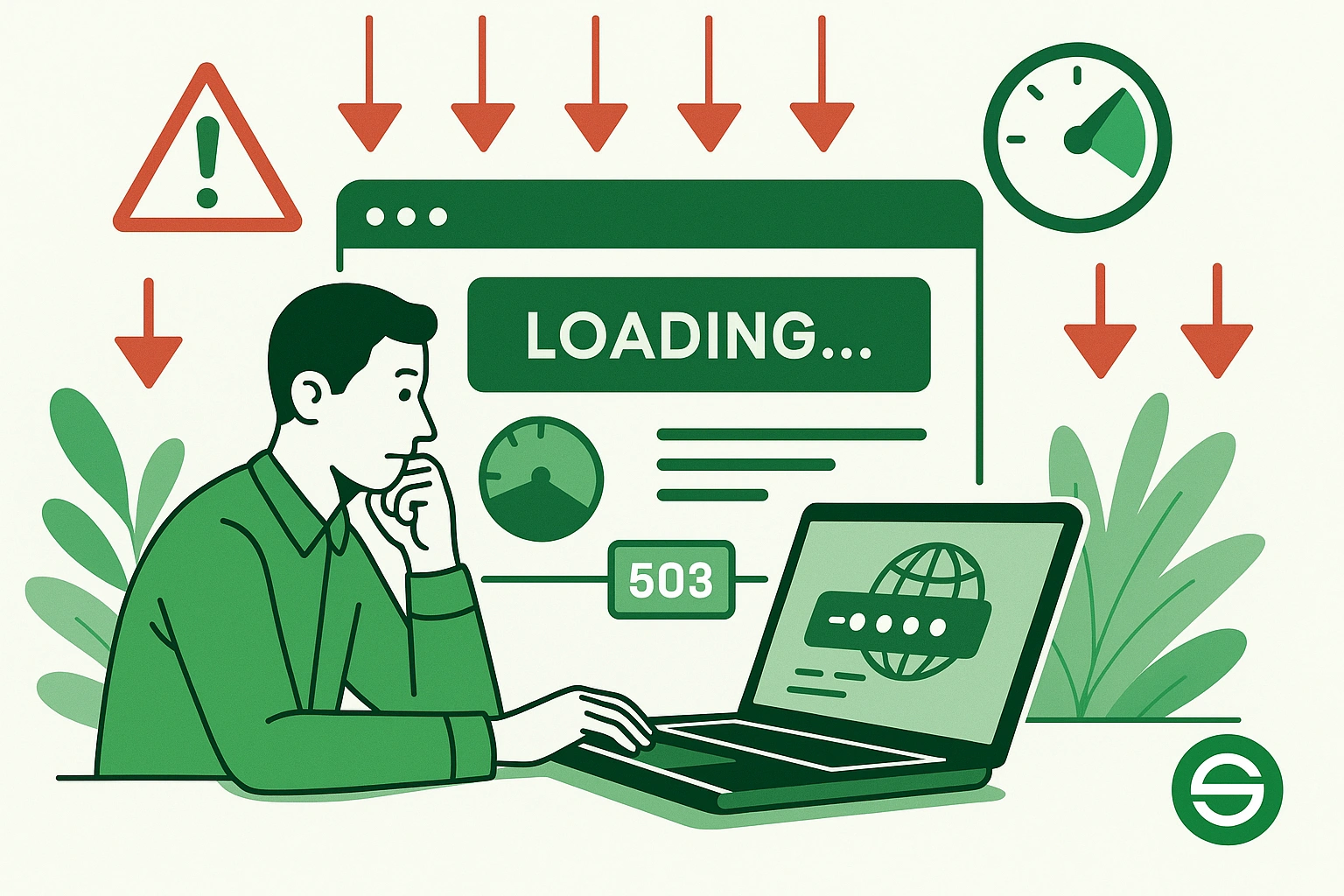
Early detection can make all the difference. Here are common warning signs that your website or server may be under attack:
- Unusually slow website performance or frequent timeouts.
- Spike in traffic from unknown regions or IP addresses.
- Frequent server overloads or 503 (Service Unavailable) errors.
- Inability to access your hosting control panel.
- Network logs showing abnormal traffic volume or repeated requests to the same resources.
If you observe these symptoms, act quickly — isolate the attack and contact your hosting provider immediately.
Prevention Strategies: How Nigerian Businesses Can Defend Against DDoS Attacks
The best defense against a DDoS attack is preparation. Once an attack begins, mitigation becomes difficult without the right infrastructure. Here are practical steps to protect your business:
1. Choose a Secure Hosting Provider
Your hosting provider plays a crucial role in DDoS defense. Not all hosts offer robust protection, but SIRSTEVEHQ provides enterprise-grade DDoS protection, advanced firewalls, and constant network monitoring across all hosting plans.
Whether you use Shared Hosting, Cloud Hosting, or VPS Hosting, SIRSTEVEHQ’s systems automatically detect and block malicious traffic before it reaches your website — minimizing downtime and ensuring uninterrupted service.
Key features include:
- DDoS protection and filtering
- Global CDN (Content Delivery Network)
- Load balancing for high traffic
- 24/7 monitoring and mitigation
2. Implement Web Application Firewalls (WAF)
A WAF helps filter and monitor HTTP requests between your website and the internet. It blocks malicious requests before they cause harm.
SIRSTEVEHQ’s hosting includes WAF integration to protect against both DDoS and application-layer attacks, ensuring your website’s core functionality remains unaffected during traffic surges.
3. Use Content Delivery Networks (CDN)
A CDN distributes your website content across multiple global servers, ensuring traffic is spread evenly rather than concentrated on a single origin server. This not only improves speed but also acts as a DDoS mitigation layer.
With SIRSTEVEHQ’s CP Hosting, you get CDN integration built-in — optimizing performance while providing additional protection.
4. Regular Backups and Recovery Plans
Even with top-tier protection, no system is 100% immune. Always maintain regular backups to ensure your website can be restored quickly after an attack.
SIRSTEVEHQ Website Backup automatically performs daily backups and provides one-click restoration — ensuring minimal data loss and downtime.
5. Monitor Traffic and Set Alerts
Continuous monitoring helps identify unusual traffic patterns early. Tools like cPanel Metrics or SIRSTEVEHQ’s Enhance Hosting monitoring dashboard give real-time insights into your website’s performance and resource usage.
Set automated alerts for spikes in bandwidth or concurrent users — these can be early signs of a DDoS attempt.
6. Enable Rate Limiting and Traffic Filtering
Rate limiting controls how many requests a user can make within a certain timeframe. This helps prevent bots from overwhelming your server.
SIRSTEVEHQ’s control panels (like cPanel and Plesk) allow you to easily configure IP blocking, throttling, and bot filters for enhanced protection.
7. Educate Your Team
Human error often worsens cyber incidents. Ensure your team understands what DDoS attacks are, how to spot them, and the escalation process during an attack. Quick response reduces damage and downtime.
Mitigation Strategies: Responding to a DDoS Attack
Even with preventive measures, attacks can still happen. Here’s how to respond effectively:
- Contact Your Hosting Provider Immediately: Hosting companies like SIRSTEVEHQ have specialized DDoS mitigation systems to isolate and neutralize attacks.
- Activate Backup Servers or Failover Systems: If possible, switch to backup servers or redirect traffic temporarily.
- Filter Traffic: Block malicious IP addresses and restrict requests from suspicious regions.
- Inform Customers: Communicate transparently via social media or email if your service is affected — it builds trust.
- Conduct Post-Attack Analysis: After recovery, analyze the incident, patch vulnerabilities, and update your protection systems.
The Role of SIRSTEVEHQ in DDoS Protection for Nigerian Websites
As Nigeria’s digital economy continues to grow, businesses need reliable hosting partners that prioritize security and uptime. SIRSTEVEHQ stands at the forefront of this mission.
Our hosting platforms are built with advanced DDoS protection, firewalls, and real-time monitoring systems to safeguard Nigerian businesses from online threats. Whether you run a startup, an SME, or a large enterprise, our Cloud Hosting and Enhance Hosting solutions provide the perfect blend of performance, scalability, and security.
At SIRSTEVEHQ, security isn’t an add-on — it’s a core part of every service.
Internal Links for Further Reading
Enhance your cybersecurity and hosting knowledge with more articles from the SIRSTEVEHQ Blog:
These related articles will help you understand how security, reliability, and hosting quality work together to strengthen your business’s online presence.
Conclusion
DDoS attacks are a growing threat in Nigeria — and no business, big or small, is immune. As cybercriminals become more sophisticated, startups, SMEs, and enterprises must take proactive measures to secure their digital infrastructure.
By investing in the right tools, partnering with secure hosting providers like SIRSTEVEHQ, and maintaining a strong security culture, Nigerian businesses can mitigate the risk and impact of these attacks.
Remember: the cost of prevention is always lower than the cost of recovery.
With SIRSTEVEHQ, you’re not just hosting your website — you’re protecting your brand, data, and customer trust with enterprise-grade security designed for Nigeria’s digital future.













Comments (0)
No comments yet. Be the first to comment!